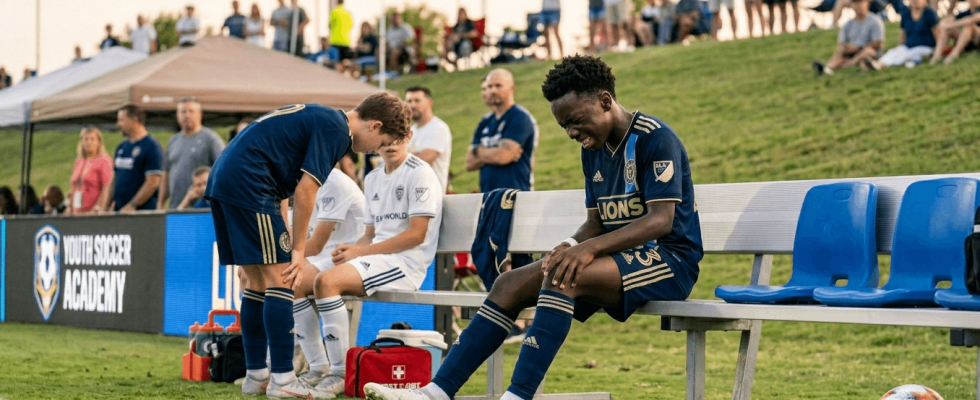
There is a pattern that many parents know well. A child rolls their ankle at football training, rests for a week, returns to the field, and rolls it again. Or a teenage gymnast develops persistent back pain that never quite resolves between competitions. The injury is never serious enough to warrant a trip to emergency, but it never fully heals either. Training continues, pain continues, and the cycle repeats.
For many families, this is the point at which sports physiotherapy enters the picture. Not as a last resort, but as the appropriate next step when rest alone is not producing results. This guide explains what sports physiotherapy involves, who it is for, and what families can expect when they come through the doors at Applied Motion Physiotherapy in Perth.
What Sports Physiotherapy Actually Involves
Sports physiotherapy is a branch of physiotherapy focused specifically on injuries and physical demands arising from sport and exercise. The scope of the work spans four main areas.
The first is injury prevention. A sports physiotherapist will assess how an athlete moves, identify patterns that increase injury risk, and build conditioning routines designed to address them. For a child or adolescent, this kind of early intervention can prevent minor issues from becoming chronic ones.
The second is rehabilitation. When an injury has already occurred, the goal is to restore full function through a combination of hands-on treatment and progressive exercise. This goes beyond reducing pain. A well-structured rehabilitation programme rebuilds the strength, mobility, and movement quality needed to return to sport safely, without simply waiting for symptoms to settle.
The third is performance optimisation. Biomechanical analysis, strength and conditioning work, and targeted training techniques are used to improve speed, agility, endurance, and overall athletic capacity. This is relevant not just to elite athletes, but to any young person who wants to train and compete without being held back by physical limitations.
The fourth is education. Athletes and their families receive guidance on body mechanics, recovery strategies, load management, and injury prevention. Understanding how and why injuries happen is part of the treatment, not an afterthought.
Why Young Athletes Need Specialist Care
Children and adolescents are not simply smaller adults. Their bodies are still developing, which means growing bones, open growth plates, and musculoskeletal systems that respond differently to load and stress than those of fully grown adults.
Common presentations in young athletes include growth-related conditions such as Osgood-Schlatter disease at the knee, apophysitis at the heel, and stress reactions in the spine. These conditions require careful management, as inappropriate loading during periods of rapid growth can cause lasting problems.
There is also the psychological dimension. A young athlete who has experienced repeated injury often loses confidence in their body. They pull back from training, hesitate under load, and develop protective movement habits that can themselves become a source of dysfunction.
We spoke with the team at Applied Motion Physiotherapy in Perth, who work extensively with young and paediatric athletes, to get a clearer picture of how this plays out in practice. In their experience, addressing the psychological side of injury alongside the physical presentation is a routine part of the clinical process, not an optional extra. The approach taken with a twelve-year-old gymnast or a sixteen-year-old footballer needs to be calibrated to their stage of development, their sport, and their individual circumstances. That requires a level of specialist familiarity that general physiotherapy does not always provide.
Applied Motion’s caseload covers a wide range of presentations. Ankle injuries and instability are among the most frequent, particularly in field sports, dance, and gymnastics where repeated ankle loading is part of the activity. Back pain and spinal stress fractures appear regularly in sports involving extension, rotation, or heavy axial loading. Shoulder injuries are common across swimming, throwing sports, and gymnastics. Knee injuries, including ACL tears and patellofemoral pain, are seen across virtually every sport. Hypermobile joints present a distinct clinical picture that requires a different approach to strengthening and load management, and one the Applied Motion team has particular experience with through their work with gymnasts and dancers.
The clinic works with athletes across a broad range of sports, including volleyball, water polo, CrossFit, badminton, and soccer, and holds a formal role with the Gymnastics State Team across artistic gymnastics, rhythmic gymnastics, trampolining, tumbling, acrobatics, and aerobics.

The Clinical Team at Applied Motion
Applied Motion Physiotherapy is based in Perth. Their team of physiotherapists brings a combination of formal clinical training and lived experience in competitive sport.
Simone Brambilla is a Senior Musculoskeletal Physiotherapist with over a decade of experience across musculoskeletal, paediatric, and sports physiotherapy. A Curtin University graduate with a Master’s in Clinical Physiotherapy, Simone also serves as a clinical supervisor for Curtin University and has co-authored research on best practices in the field. His work spans a broad range of presentations, from complex paediatric cases to performance-focused adult athletes.
Matteo Pugnaloni brings a background in biomechanics alongside fourteen years as a competitive water polo player, including six seasons in Italy’s Serie A2 League. A graduate of Università Politecnica delle Marche, Matteo currently coaches water polo in Perth. His understanding of how sport is actually played informs the way he approaches assessment and treatment, particularly for athletes navigating the demands of training and competition while managing an injury.
Courtney Stowe is a senior physiotherapist with expertise in pre- and post-operative management, sports injuries, and women’s health. A University of Otago graduate, Courtney represented New Zealand as an international gymnast and maintains an active involvement in CrossFit. Her clinical approach centres on keeping patients moving through injury rather than simply removing them from activity while they wait to recover.
What a Course of Treatment Looks Like
Applied Motion shared an example from their caseload that illustrates how a typical course of treatment unfolds. A field sport athlete presented with recurring lower limb pain that was affecting their ability to sprint, change direction, and train consistently week to week. The physical pain was one part of the picture. The other was a loss of confidence in how their body would respond under load.
Following assessment, the team identified the contributing factors and built a staged plan around strength work, load management, gradual reintroduction of sprint exposure, and a structured return-to-sport progression. The athlete continued training in a modified capacity while symptoms settled, then progressively rebuilt speed, power, and confidence over the following weeks.
By the end of the programme, the athlete had returned to full pre-season training. Equally important, they left with a clearer framework for managing training load, recognising early warning signs, and building the physical resilience to reduce the likelihood of the same injury recurring.
This case reflects the broader approach Applied Motion takes. The initial appointment involves a thorough assessment of the injury, the athlete’s movement patterns, and their training demands. From there, treatment combines hands-on therapy with a progressive exercise programme tailored to the individual. Appointments are spaced to allow for adaptation and progress, and the programme evolves as the athlete’s capacity improves.
For parents, this process also involves education. Understanding what is driving the injury, what the recovery timeline looks like, and how to support rehabilitation at home is part of how Applied Motion works with families, not just with the athlete in the clinic.
Finding Applied Motion
Applied Motion Physiotherapy is based in Perth and sees patients across a wide range of ages, sports, and injury presentations. If your child has an injury that has not responded to rest, or if recurring pain is disrupting their ability to train and compete, a sports physiotherapy assessment is a reasonable next step.
Appointments can be booked directly through the Applied Motion Physiotherapy website. Bring any relevant imaging or medical reports, and wear or bring clothing that allows comfortable movement.